What a dental treatment coordinator does
Patients often hear the dentist's recommendation, nod, and leave without booking. Sometimes it's the cost, sometimes it's fear, sometimes they just need someone to explain it again slowly. The treatment coordinator is that someone. The job usually includes:
- The handoff: taking over from the dentist once the diagnosis is made, with the plan, the priorities and anything the patient is worried about.
- The consult: a private conversation about the patient's goals, what the dentist found, the plan, the cost and the options.
- Money: estimates for large cases, splitting treatment across two benefit years when it makes sense, pay-in-full options, financing and signed financial agreements.
- Booking: scheduling the work in the right order with the right amount of time, including lab cases and referrals to specialists.
- Follow-up: a steady routine for patients who said "I need to think about it," so good care doesn't get lost.
- The doctor's schedule: in many offices, including Maple Grove in our course, the treatment coordinator also keeps the dentist's days at goal and fills openings from pending treatment.
The title varies: treatment coordinator, patient care coordinator, case presenter or financial coordinator.
What a treatment coordinator doesn't do
The dentist owns the diagnosis and the patient's consent. A treatment coordinator never decides what treatment a patient needs, never pressures, and never promises what insurance will pay before it's verified. If a patient asks a clinical question you can't answer, the dentist answers it.
The rules worth knowing
Good Faith Estimates
Under the federal No Surprises Act, providers must give uninsured and self-pay patients a Good Faith Estimate of expected charges when care is scheduled or when the patient asks for one. CMS guidance says no specialties are exempt, and a patient whose bill comes in at least $400 above the estimate can start a dispute process. Your office will have its own form and routine; the treatment coordinator is often the one who makes sure it happens.
Financing
Third-party financing can help patients afford care, but some medical credit cards charge deferred interest, which can come due all at once if the balance isn't paid off in time. The Consumer Financial Protection Bureau found patients paid $1 billion in deferred interest on healthcare credit cards and loans from 2018 to 2020. Explain the terms honestly, offer financing as one option among several, and never sell it.
Skills you need
Plain-language explaining
You turn "#19 MOD composite and #30 crown with buildup" into words a patient understands, without getting anything clinically wrong.
Insurance and estimate skills
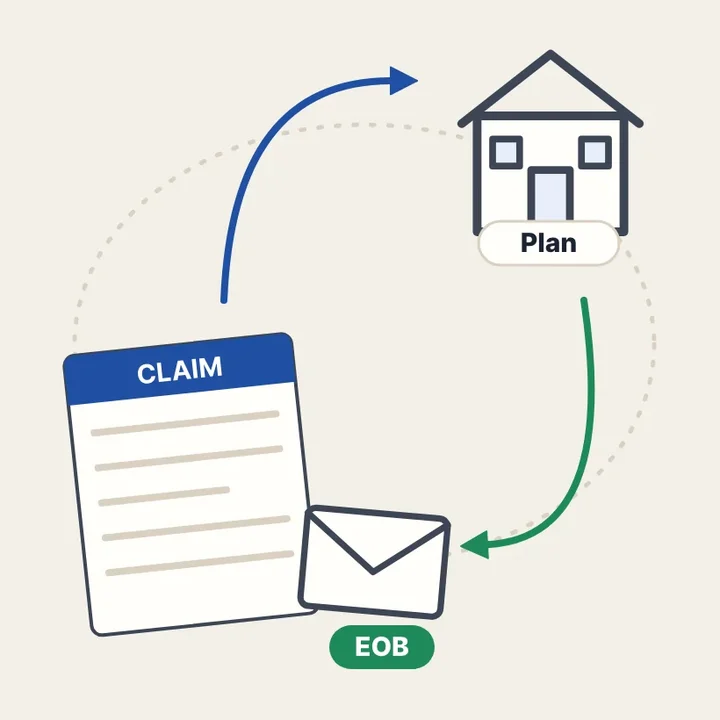
Annual maximums, deductibles, frequencies and downgrades all change what the patient pays. See our guides to insurance verification and reading an EOB.
Listening
"I need to think about it" usually means something more specific: cost, fear, timing or a spouse. The skill is asking the question that finds out which.
Schedule sense
Knowing how long each procedure takes for each dentist, when the lab needs a case, and how to fill a two-hour opening tomorrow from the pending-treatment list.
How to become a treatment coordinator
- Learn the front desk and insurance first. Estimates and scheduling are the base. If you're new to dental, start with Front Office Essentials.
- Learn the dentistry in plain words. Dental assistants often move into this role because they already know the procedures. Front desk people can learn them too.
- Present at check-out. Ask to present estimates for smaller cases at check-out, then larger ones with the dentist's support.
- Train for the role. Our Treatment Coordinator course includes practice consults and calls: a three-crown plan past the annual maximum, the spouse who decides, the one-week follow-up.
- Track your results. Treatment presented, scheduled and completed are numbers you can show when you ask for the role.
Common questions
Is a treatment coordinator a sales job?
It shouldn't be. The dentist decides what treatment is needed. The treatment coordinator helps the patient understand it, find a way to afford it and get it scheduled, with no pressure tactics.
Do treatment coordinators need a license?
No. It's a front office role. Many treatment coordinators started at the front desk or as dental assistants.
What's the difference between a treatment coordinator and an office manager?
The treatment coordinator focuses on patients' treatment plans and the doctor's schedule. The office manager runs the business side of the practice: the numbers, hiring, people and compliance.